
Shopping Cart

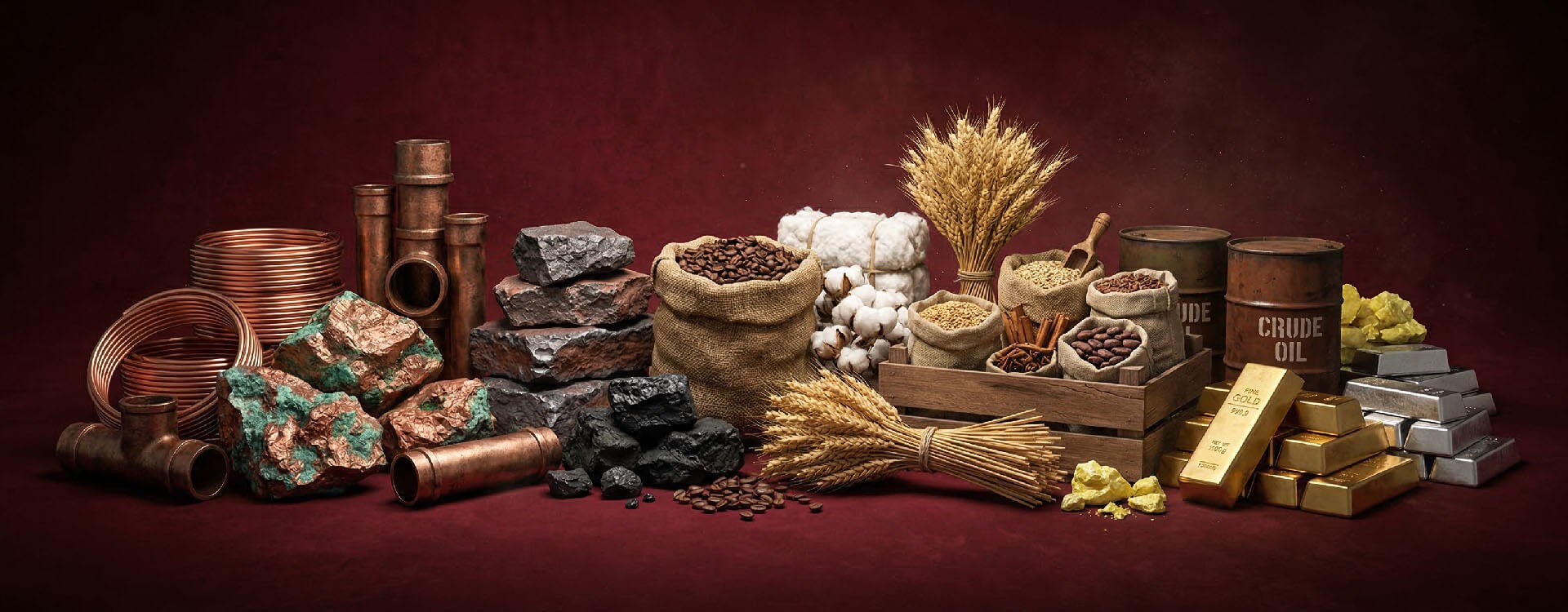
A commodity supercycle is one of the most powerful — and least understood — macroeconomic phenomena available for investors to capitalise upon. These multi-decade periods of sustained commodity price appreciation, driven by the gap between structural demand growth and constrained supply, have created generational wealth for investors who recognised them early and positioned accordingly. At GoldMiner.cc, understanding macro cycles has been at the heart of our investment philosophy since the 2007 financial crisis. This pillar explores the mechanics of commodity supercycles, the evidence that a new one may be underway, and the strategies investors can use to benefit from these extraordinary long-term trends.
What Is a Commodity Supercycle and How Does It Work
Unlike typical commodity price cycles that play out over months or a few years, a true commodity supercycle extends across a decade or more. They are driven by fundamental imbalances: demand grows faster than supply can respond, because building new mines, energy infrastructure, and production capacity requires years of capital investment and development time. The result is a prolonged period during which commodity prices remain elevated, rewarding producers and investors while gradually incentivising the new supply that eventually brings the cycle to an end. The last major commodity supercycle, driven by China's industrial rise in the 2000s, saw gold, silver, copper, and virtually every major commodity reach multi-decade or all-time high prices. Understanding what caused that cycle — and what structural forces could drive the next one — is the foundation of supercycle investing.
Structural Drivers of the Next Commodity Supercycle
Several powerful structural forces are converging to potentially drive a new commodity supercycle in the 2020s and beyond. The energy transition — encompassing electric vehicles, solar and wind energy, battery storage, and grid infrastructure — requires enormous quantities of metals including copper, silver, lithium, nickel, and cobalt. Years of underinvestment in mining and resource extraction during the 2010s, when commodity prices were depressed and capital fled the sector, have left supply pipelines chronically underdeveloped. Geopolitical fragmentation and supply chain restructuring are adding new layers of demand for domestic and allied-nation resource production. And the monetary backdrop — characterised by high sovereign debt levels, ongoing money creation, and the potential for sustained inflation — creates a macro environment that has historically been favorable for hard assets and precious metals in particular.
Precious Metals in a Commodity Supercycle
Gold and silver occupy a unique position within a commodity supercycle. They are both monetary assets — whose value is driven by financial instability, inflation, and currency debasement — and physically constrained resources whose supply cannot be rapidly expanded regardless of price. During the last supercycle, the gold price rose from approximately $250 per ounce in 2001 to over $1,900 in 2011. Silver rose from under $5 to nearly $50 over the same period. These were not random price movements — they reflected the systematic repricing of hard assets in a world of expanding money supply, rising emerging market wealth, and structurally inadequate mining investment. For investors monitoring the gold price today or the silver spot price today, understanding this historical context provides crucial perspective on what may be possible in the years ahead.
Mining Stocks: The Leveraged Way to Play a Supercycle
While physical commodities and ETFs offer direct exposure to commodity price moves, mining stocks — particularly mid-tier and junior producers — have historically delivered the most dramatic returns during supercycle phases. This is because rising commodity prices flow directly to the bottom line of well-run producers, whose fixed cost structures create explosive profit growth when their output prices surge. During the 2001–2011 supercycle, many gold and silver mining stocks delivered returns of 1,000% or more, dramatically outperforming even the strong gains in physical metals. The challenge is identifying which companies are best positioned before the major price moves occur — which requires deep sector expertise, rigorous financial analysis, and a clear understanding of where we are in the cycle. These are precisely the skills GoldMiner.cc has developed over nearly two decades of active market participation.
Building a Portfolio for Long-Term Commodity Supercycle Exposure
Investing in a commodity supercycle is not about short-term trading — it is about building a strategically diversified portfolio that captures multiple waves of appreciation across different metals and resource sectors over an extended period. A well-constructed supercycle portfolio typically combines physical precious metals as a foundation, gold and silver mining stocks for leverage to rising metal prices, base metal and energy metal exposure through mining companies and focused ETFs, and selective allocation to junior explorers for asymmetric upside. Active management is essential — commodity markets are volatile, and positions must be actively monitored and adjusted as the cycle evolves. At GoldMiner.cc, our approach to commodity supercycle investing integrates all of these elements within a transparent, expertly managed framework designed to deliver genuine long-term wealth creation.