
Shopping Cart

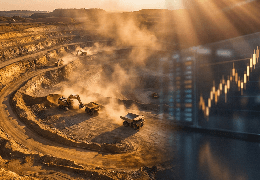
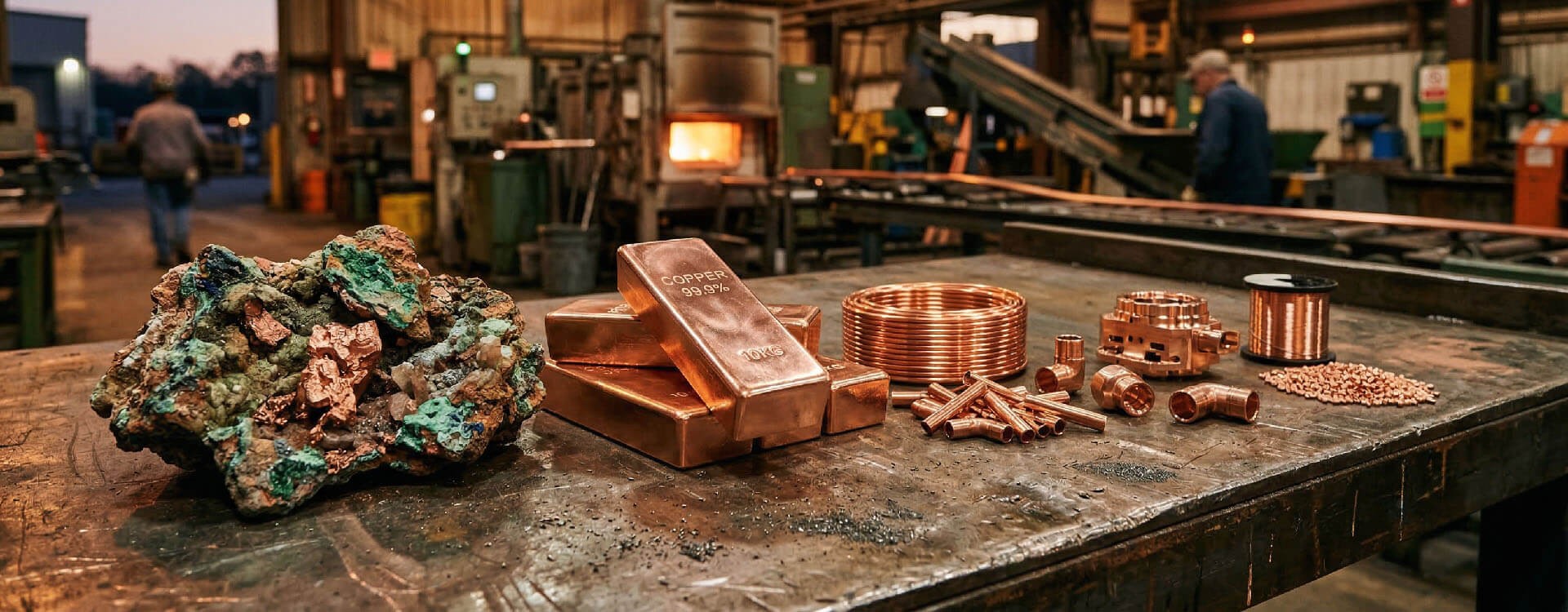
Copper is sometimes called "Doctor Copper" by economists — because its price is considered one of the most reliable indicators of global economic health. When industrial activity and infrastructure investment are robust, copper demand rises and prices follow. When economies slow, copper is typically among the first commodities to reflect that reality. But copper's role is evolving dramatically in the 21st century: it has become a cornerstone of the global energy transition, with electric vehicles, renewable energy installations, and modernised electrical grids all requiring extraordinary quantities of the red metal. At GoldMiner.cc, we bring the same rigorous analytical framework we apply to precious metals to the copper and industrial metals universe, identifying the most compelling investment opportunities within these critical sectors.
Copper's Central Role in the Energy Transition
The scale of copper demand implied by the global energy transition is difficult to overstate. A conventional internal combustion engine vehicle contains approximately 20–25 kg of copper. An electric vehicle requires 80–100 kg. Offshore wind turbines require 8–15 tonnes of copper per megawatt of capacity. Solar panel installations are copper-intensive, as is the grid infrastructure needed to connect renewable generation to consumers. The International Energy Agency and other research organisations have projected that copper demand could grow by 50–100% over the coming decades under various energy transition scenarios. Against this demand backdrop, the supply side is deeply concerning: the world's largest copper deposits are ageing, declining in grade, and facing increasing regulatory and community challenges. New mine development requires 10–20 years from discovery to production. The result is a structural copper supply deficit that could persist for a decade or more.
Copper Mining Companies: Majors, Mid-Tiers, and Explorers
Investing in copper through mining companies offers leverage to copper price appreciation, with the degree of leverage depending on the size and stage of the company in question. Major copper producers — companies like Freeport-McMoRan, BHP, Glencore, and Southern Copper — operate large, diversified copper mining portfolios and provide stable, dividend-paying exposure to the copper market. Mid-tier copper producers offer higher growth profiles, often with assets in emerging mining jurisdictions. Junior copper explorers and developers carry the highest risk but can deliver extraordinary returns when a significant copper discovery is made and the metal price provides strong economic support for development. The analytical approach to copper mining companies closely parallels our precious metals mining analysis — focusing on resource quality, production costs, management track record, jurisdiction, and balance sheet strength.
Copper Price Cycles and Historical Market Dynamics
Like all commodity markets, copper operates in cycles driven by the balance between supply and demand. The last major copper bull market, from approximately 2003 to 2011, saw prices rise from under $0.70 per pound to over $4.50 — driven primarily by Chinese industrial expansion and chronic underinvestment in new mine supply during the preceding bear market. A cyclical downturn followed, with prices falling to around $2.00 in 2016 before recovering. Understanding these cycles — their typical duration, their drivers, and the indicators that signal transitions between phases — is essential for making well-timed copper investments. The combination of structural demand from the energy transition and a supply pipeline that has been chronically under-developed suggests that any copper bull market driven by these factors could be both powerful and prolonged.
Industrial Metals Portfolio Strategy: Diversification Across Base Metals
While copper is the most prominent and broadly followed industrial metal, a sophisticated approach to this sector recognises the investment merits of zinc, nickel, lead, molybdenum, and other base metals as well. Each has its own supply-demand dynamics, industrial end markets, and price cycle characteristics. Diversifying across multiple industrial metals through a combination of mining companies and sector ETFs reduces concentration risk while maintaining exposure to the broader theme of industrial growth and energy transition. At GoldMiner.cc, we integrate industrial metals analysis within a broader resource-sector framework, helping investors understand how copper and base metals fit alongside precious metals within a comprehensive, well-diversified portfolio strategy designed for the macroeconomic realities of the 2020s and beyond.
Risk Management in Copper and Industrial Metal Investments
Industrial metals investing, while offering compelling long-term opportunities, comes with specific risk dimensions that investors must understand and manage. Exposure to the global economic cycle means that during recessions, industrial metal prices can fall sharply as manufacturing and construction activity contract — the reverse of the inflation-hedging behaviour typical of precious metals. Geopolitical risk is significant, with major copper production concentrated in politically complex jurisdictions including Chile, Peru, and the Democratic Republic of Congo. Environmental and social risks are increasingly material for mining companies operating in sensitive ecosystems or near indigenous communities. Currency risk affects investors whose home currency differs from the USD-denominated commodity markets. At GoldMiner.cc, our approach to managing these risks draws on the same framework of rigorous due diligence, broad diversification, and active portfolio management that we apply across all our investment strategies.